
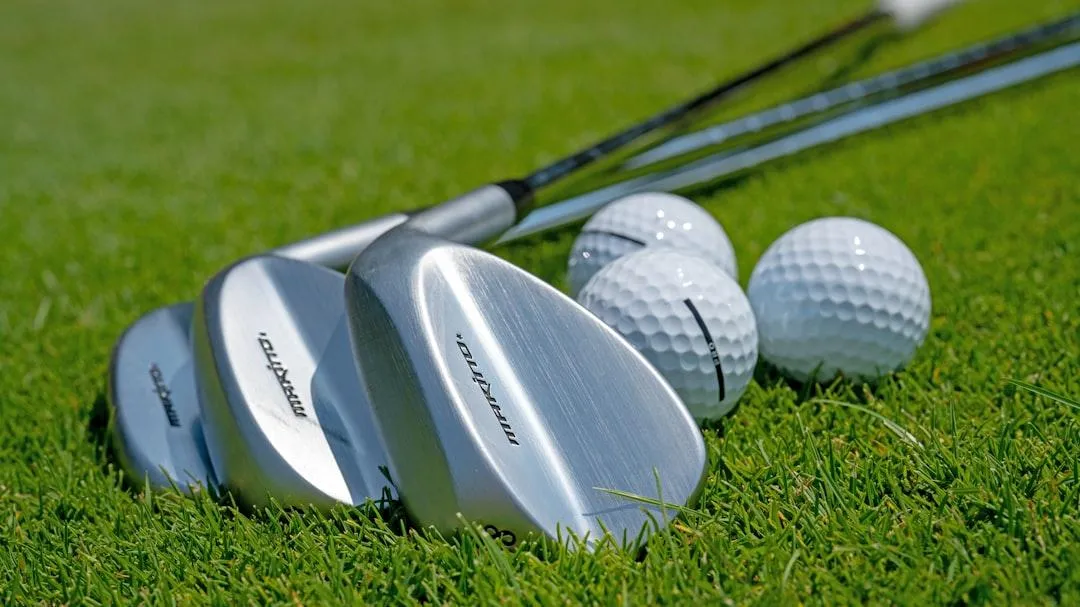
Are Vintage Scratch Golf Irons Still Worth Buying Today?
Scratch Golf Wedges: A Vintage Brand Worth Knowing About
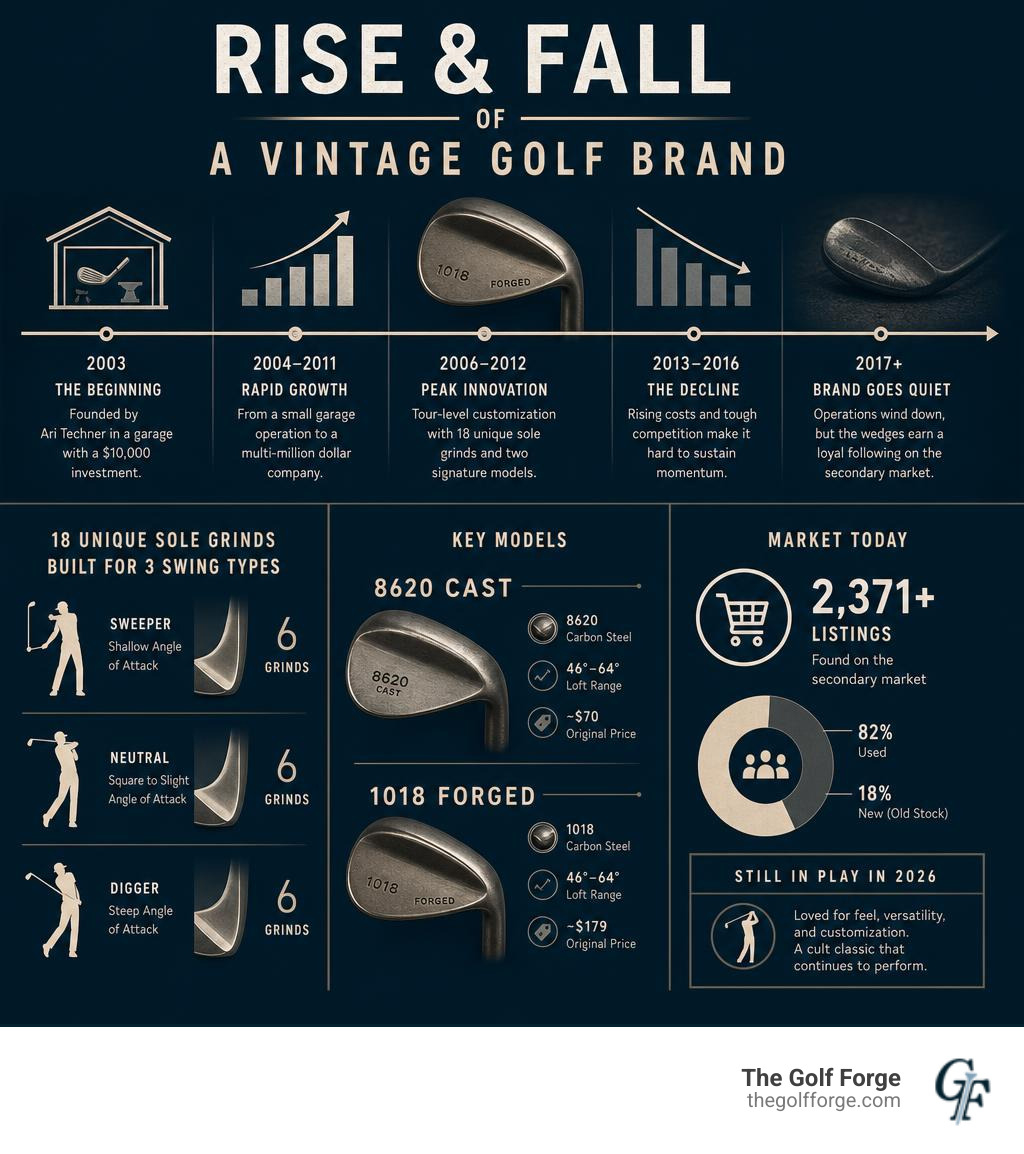
Scratch Golf wedges built a loyal following among serious golfers who wanted tour-level customization without the tour-level price tag — and that reputation hasn't faded, even years after the brand went quiet.
Quick Answer: What Are Scratch Golf Wedges?
Feature Details Brand origin Founded 2003 by Ari Techner Key models 8620 Cast, 1018 Forged Steel types 8620 carbon steel, 1018 carbon steel Sole grinds 18 unique options across 3 swing types Loft range 46° to 64° Original price range ~$70 (8620) to $179 (1018 forged) Current market Mostly used/secondary market (2,371+ listings) Best for Intermediate to advanced players
Scratch Golf started in a garage with a $10,000 investment and grew into a multi-million dollar company. The brand became known for one thing above almost everything else: obsessive customization. While major manufacturers offered a handful of grind options, Scratch was offering 18 distinct sole grinds matched to specific swing types — something that was practically unheard of outside a tour van at the time.
The company eventually ran into the challenge that kills many boutique golf brands. It's hard to sell premium custom equipment to everyday golfers who don't yet understand why a sole grind matters. Despite building a genuinely excellent product, Scratch Golf couldn't outlast the financial pressures of competing with giants like Titleist and Cleveland.
But here's the thing: the wedges didn't stop being good just because the company closed.
In 2026, used Scratch wedges still show up regularly on the secondary market, and plenty of golfers are still gaming them. If you're thinking about picking one up — or you're just curious what the fuss is about — this guide covers everything you need to know.
The Cult-Classic Appeal of Scratch Golf Wedges

For a brand that closed its doors years ago, Scratch Golf still commands an incredibly passionate following. If you scroll through equipment forums today, you will find active threads like What ever happened to Scratch Golf?, where purists reminisce about the unmatched feel and shape of these clubs.
What made Scratch Golf so special was its boutique, tour-van approach to the average golfer. Before Scratch came along, if you wanted a custom-ground wedge with personalized stamping, you either had to be a touring professional or know someone with a grinding wheel and a lot of spare time. Scratch brought that high-end, artisan experience to the public, crafting beautiful wedges from premium materials like 1018 carbon steel.
Why Vintage Scratch Golf Wedges Stand Out
Scratch wedges don't look or play like the mass-produced clubs filling the racks at big-box retail stores.
The Leading Edge: Unlike the rounded leading edges common on many traditional wedges, Scratch wedges often featured a straighter leading edge. This design makes alignment incredibly clean and simple, helping players square the clubface to the target line with confidence.
Artisanal Sole Grinds: Instead of a one-size-fits-all approach, Scratch engineered soles that addressed how different players interact with the turf.
Custom Stamping & Aesthetic: Many Scratch wedges found on the secondary market feature custom initials, unique paint fills, and beautiful raw or antique finishes that look like works of art in your bag.
The Transition from Custom Forgings to Cast Models
To understand the Scratch lineup, you have to understand their manufacturing history. The brand built its legendary reputation on incredibly soft, forged wedges. However, to appeal to a wider audience and offer a more accessible price point, they introduced investment-cast models.
The cast line—most notably the 8620 carbon steel series—brought the price down to around $70 retail while keeping the precision CNC-milled face and grooves that players loved. Although purists will argue that cast wedges can't quite match the buttery feel of 1018 forged steel, the 8620 cast models proved to be highly durable and offered outstanding spin performance, making them a massive hit for budget-conscious players.
Popular Models and Technical Specifications

If you are hunting for scratch golf wedges on the secondary market, you will primarily run across two distinct families of wedges, each with its own unique construction, feel, and performance characteristics.
The Forged 1018 and Cast 8620 Scratch Golf Wedges
The 1018 Forged Line: These are the holy grail for feel players. Forged from extremely soft 1018 carbon steel, these wedges offer feedback that tells you exactly where you made contact on the face. The trade-off for this legendary softness is that 1018 steel is relatively soft, meaning the grooves can wear down faster than harder steels if you practice heavily out of sandy bunkers.
The 8620 Cast Line: If you want a workhorse that lasts, this is the one. Made from 8620 carbon steel, these wedges are slightly firmer but offer excellent durability. Our Scratch 8620 Wedge Review highlights how these clubs utilized proprietary "ABC" grooves. These CNC-milled grooves were cut to maximum legal width and depth but featured slightly rounded edges, delivering incredible spin without shredding your golf ball covers.
Understanding the 18 Custom Sole Grinds
Scratch's ultimate contribution to golf was dividing players into three distinct swing categories and offering specific grinds for each:
Sweeper/Slider (SS): For players with shallow angles of attack who take minimal divots. These wedges feature lower effective bounce to prevent the club from bouncing off tight turf.
Driver/Slider (DS): For players with neutral swings who take moderate, consistent divots. This is the most versatile category for varying turf conditions.
Digger/Driver (DD): For players with steep swings who take deep divots. These wedges feature higher bounce and wider soles to prevent the leading edge from digging into the ground.
Swing Type Divot Pattern Recommended Bounce/Grind Ideal Turf Conditions Sweeper/Slider (SS) Shallow / None Low Bounce (e.g., LFC, SFU) Firm, tight lies Driver/Slider (DS) Moderate / Consistent Mid Bounce (e.g., SND, PDG) Medium, versatile turf Digger/Driver (DD) Deep / Heavy High Bounce (e.g., EGG, DOG) Soft, lush turf & fluffy sand
In addition to these standard categories, Scratch occasionally released specialized grinds, such as the highly sought-after "EGG" grind, designed for ultimate versatility around the greens.
If you are looking at modern alternatives with similar philosophies, you might compare these to the versatile sole patterns of X-Grind Wedges or the flat-soled design of a Tour Grind Wedge. For players who struggle with chunked shots entirely, modern game-improvement designs like the ONE.1 Auto-Correct Wedge offer a wider, auto-gliding sole, but purists still prefer the classic, workable shape of a vintage Scratch sole.
Performance, Feel, and Player Suitability
How do these vintage clubs stack up against modern releases in 2026? Surprisingly well, especially if you prioritize short-game feel and turf interaction.
Spin and Control Around the Greens
The spin performance of a Scratch wedge relies heavily on the condition of its CNC-milled face. When fresh, the combination of aggressive milling and precise groove geometry produces a high, hopping-and-stopping spin rate that rivals anything on the market today.
In terms of feel, the 1018 forged models are practically unmatched. Impact feels incredibly soft, almost as if the ball clings to the face for a split second longer. This gives players superb distance control on delicate chips and pitch shots. The cast 8620 models feel slightly clickier by comparison, but still provide plenty of feedback to help you dial in your touch.
Are Vintage Scratch Clubs Suitable for Your Skill Level?
Advanced Players (Low Handicappers): These players will absolutely love Scratch wedges. The thin topline, straight leading edge, and precise sole grinds allow skilled players to open the face, hit creative flop shots, and manipulate ball flight with ease.
Intermediate Players (Mid Handicappers): If you have a relatively consistent swing and understand your divot pattern, matching your swing type to a Sweeper/Slider, Driver/Slider, or Digger/Driver sole grind can instantly improve your contact and consistency.
Beginners (High Handicappers): While beautiful, these are traditional blade-profile wedges. They do not feature the perimeter weighting or ultra-wide soles found in modern game-improvement wedges. If you struggle to make consistent contact, you may find these clubs less forgiving on off-center strikes.
Buying Used Scratch Golf Wedges on the Secondary Market
Because Scratch Golf is no longer in business, your only option is to hunt for them on the secondary market. Fortunately, there is a thriving community of collectors and players buying and selling these classic clubs.
Pricing and Availability in 2026
If you search for a Scratch Golf Wedge on eBay, you will quickly see just how popular these clubs remain. At any given time, there are over 2,200 listings available. Interestingly, the market is almost entirely pre-owned: you will find roughly 2,371 used listings compared to only 2 or 3 brand-new, "new old stock" items.
The Sweet Spot: The 56-degree wedge is by far the most common loft available, with over 540 listings.
Shafts and Swing Weights: Stiff flex steel shafts (most commonly True Temper Dynamic Gold) dominate the listings with over 512 entries, and the most common head configuration is a D3 swing weight (around 405 listings).
Price Range: Depending on condition, a single used Scratch wedge can range from $40 for a well-loved cast model to over $150 for a clean, custom-stamped forged model. Rare, pristine sets—like this Scratch 8620 Dd Black Nickel Custom 50, 53, 58 Degrees Wedge Set—can command premium prices from collectors.
American-Made Rarities: Later in their run, the company launched a premium line of American-Made Wedges From Scratch Golf, forged in Michigan from 1018 carbon steel. These originally retailed for $299 each and are highly sought after by collectors today.
What to Inspect Before Purchasing
When evaluating a Used Scratch Wedge online or in a local shop, look closely at the following details:
Groove Wear & "Browning": Check the center of the face. Raw and forged carbon steel wedges will naturally wear and develop a dark "brown" spot over time. While aesthetic wear is fine, make sure the grooves themselves aren't completely flattened.
Sole Condition: Look for heavy gouges or rock dings on the sole, which can alter the bounce and turf interaction.
Shaft and Grip: Ensure the shaft band is intact if you want to verify the flex, and check the hosel for any signs of loose epoxy or twisting.
Frequently Asked Questions About Scratch Golf Equipment
Why did Scratch Golf go out of business?
Despite making world-class equipment, Scratch Golf struggled to compete with the massive marketing budgets of major golf manufacturers. Additionally, educating the average golfer on the technical importance of 18 different sole grinds proved difficult and expensive, leading to financial hurdles that the boutique brand couldn't overcome.
How do I identify the grind on a Scratch wedge?
Scratch wedges typically feature stamps on the sole or hosel indicating their grind or swing type. Look for "SS" (Sweeper/Slider), "DS" (Driver/Slider), or "DD" (Digger/Driver), followed by specific three-letter grind codes like "SND" (Sand), "PDG" (Paddock), or "EGG".
Are Scratch Golf wedges conforming for tournament play?
It depends on the model and the year it was made. Many older Scratch wedges feature aggressive, non-conforming grooves under the post-2010 USGA groove rules. If you play in high-level tournaments with the Condition of Competition groove rule in effect, you will need to verify the specific model. However, for casual weekend rounds and recreational play, they are perfectly fine to use.
Conclusion
Vintage scratch golf wedges are absolutely still worth buying today. They offer a level of craftsmanship, soft feel, and precise turf interaction that is incredibly hard to find in modern, off-the-rack retail clubs. If you can find a used model with grooves in good condition that matches your personal swing type, it can easily earned a permanent spot in your bag.
But how do you know if a vintage wedge actually performs for your specific swing?
The best way to find out is to test it under real-world conditions with precise data. At The Golf Forge, we operate state-of-the-art indoor golf simulators right here in Utah (with convenient locations in South Jordan, UT and West Jordan, UT). Our 24/7 private bays are equipped with advanced Foresight launch-monitor technology, giving you consistent, data-driven practice.
Whether you want to compare a vintage Scratch wedge against your current short-game setup, work with a professional Swing Coach to dial in your yardages, or explore our custom club fitting Services, we have everything you need to take your game to the next level.
Ready to see how your gear performs? Book Now and secure your private bay today!